Discover personal loans
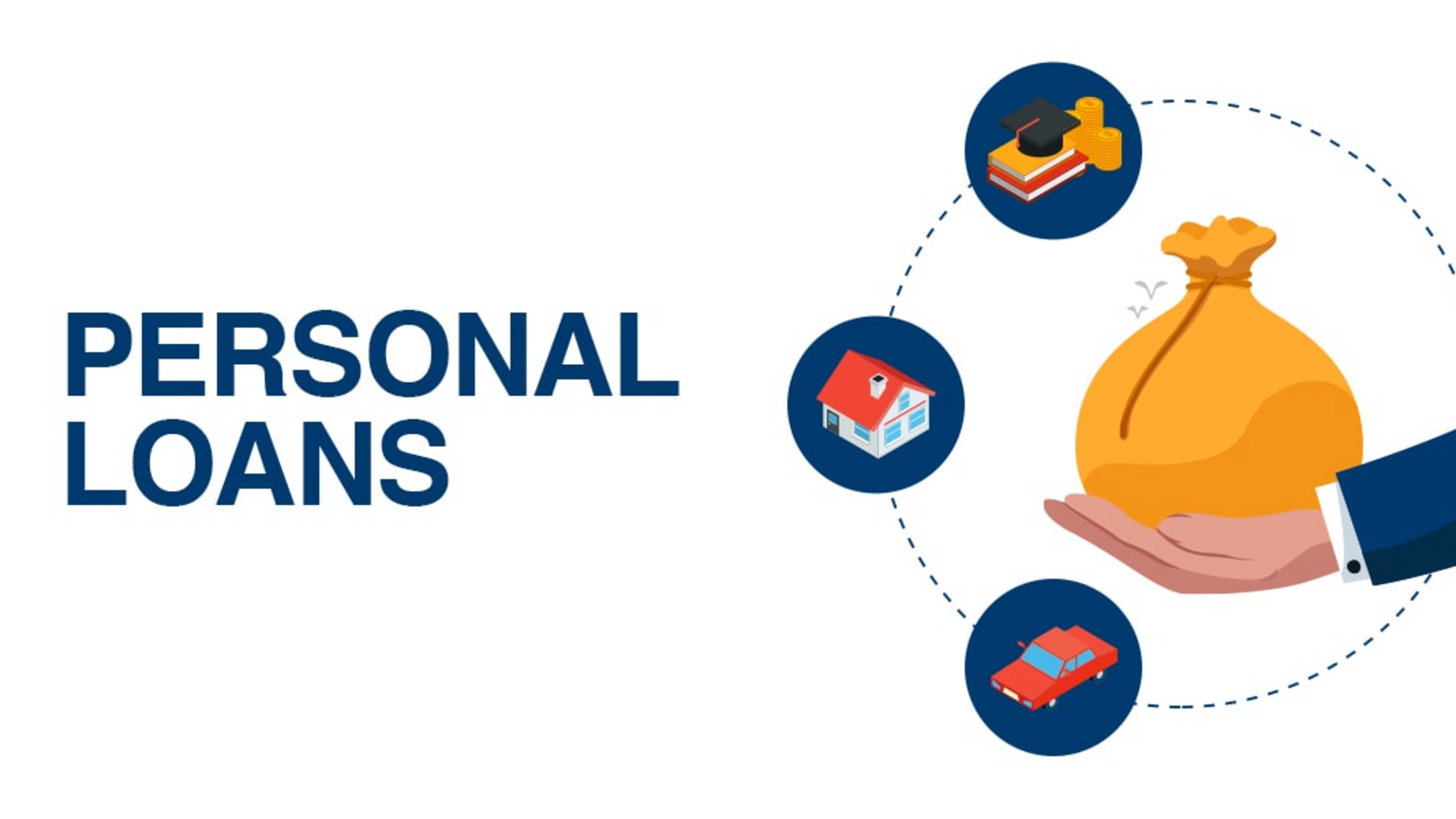

If you're considering financing options, a personal loan can be an ideal solution for achieving your goals efficiently. Whether you're looking to consolidate debt, cover a significant purchase, or manage unforeseen expenses, personal loans offer a flexible and straightforward way to secure the funds you need. With often lower interest rates compared to credit cards, they provide an opportunity to manage your finances more effectively.
One of the most appealing aspects of personal loans is their predictability. Unlike variable-rate credit cards, personal loans typically come with fixed interest rates and set repayment terms. This means you know exactly how much you'll pay each month, helping ease budgeting and reduce financial stress. Furthermore, many lenders offer no penalties for early repayment, allowing you the freedom to pay off the loan ahead of schedule without additional costs.
Personal loans are also versatile, offering the flexibility to use the funds for virtually any purpose. From home renovations to medical bills, travel expenses, or even educational pursuits, the choice is yours. The straightforward application process, often with quick approval decisions, ensures that you won't be left waiting when time is of the essence. By comparing lending options, you can tailor a loan to fit your specific needs and circumstances, ensuring a practical and customized financial solution.
Understanding Different Types of Personal Loans
Explore the various personal loan types to choose one that fits your financial needs and goals. Start by assessing your specific requirement, whether it's debt consolidation, home improvement, or another purpose.
Unsecured Personal Loans
Unsecured loans are ideal for those without collateral. Lenders assess your creditworthiness based on your credit score and history. These loans typically have higher interest rates due to the absence of collateral.
Secured Personal Loans
If you own assets, consider secured loans, which offer lower interest rates as they are backed by collateral. Common types include home equity loans and vehicle-backed loans. Failure to repay these may result in asset loss.
- Fixed-rate Loans: Offer predictable monthly payments with a stable interest rate throughout the term.
- Variable-rate Loans: Interest rates fluctuate with market conditions, potentially lowering costs but adding unpredictability.
Debt Consolidation Loans
Debt consolidation loans simplify your finances by combining multiple debts into a single loan with a uniform interest rate, often lower than the average of your existing debt rates. This can decrease the total interest paid over time.
Co-signer Loans
Individuals with limited or poor credit can benefit from co-signer loans. A co-signer, typically someone with a strong credit history, helps secure the loan, potentially offering better rates and terms.
- Evaluate your credit score to determine eligibility and potential interest rates.
- Identify the type of loan that aligns with your purpose and financial capacity.
- Consult lenders to compare terms and conditions, ensuring transparency regarding fees and charges.
By understanding these personal loan types, you can make a well-informed decision that supports your financial health and future plans.
How to Determine Your Loan Eligibility
Assess your credit score first. Lenders often use this as a primary factor to evaluate eligibility. A higher score typically increases your chances of approval, possibly granting access to better terms. Obtain a free annual credit report from major credit bureaus to verify accuracy and address any discrepancies.
Examine your income and employment status next. Lenders prefer borrowers with stable income, as it indicates your ability to repay the loan timely. Maintain documentation like pay stubs or tax returns, as these will usually be required during the application process.
Your debt-to-income (DTI) ratio plays a crucial role. This ratio compares your monthly debt payments to your monthly income. Keep your DTI below 36% to boost your eligibility. If your DTI is high, consider reducing existing debts before applying.
Review the specific requirements of different lenders. Each lender may have unique criteria, such as minimum income, specific credit score thresholds, or employment history. Researching and choosing lenders whose qualifications align with your financial profile can save time and increase your chances of approval.
Prepare necessary documentation in advance. This often includes identification, proof of income, and residence. Having these documents ready can expedite the process once you find a suitable lender.
Factor Description Credit Score A higher score enhances approval chances and terms. Income and Employment Steady income increases trust in your repayment ability. Debt-to-Income Ratio Should be below 36% for better eligibility. Lender Requirements Varies by lender; align with your financial state. Documentation ID, income proof, and residence verification. Improving these components strengthens your financial profile, enhancing loan eligibility. Regularly monitoring and adjusting as needed can provide better outcomes when applying for a personal loan.
Navigating the Application Process for Personal Loans
Research lender options thoroughly before applying. Compare interest rates, terms, and fees from various financial institutions to identify the most favorable conditions. Most lenders provide online calculators that can help you understand potential monthly payments based on loan amounts and interest rates.
Prepare necessary documentation in advance. You'll typically need proof of identity, employment details, and financial statements such as bank account records and recent pay stubs. Having these documents ready will streamline the process.
Check Your Credit Score
Obtain a current copy of your credit report. Lenders use credit scores to assess risk, and knowing your score will help you anticipate loan terms you're likely to be offered. Correct any errors in your credit report before submitting your application to improve your chances of favorable terms.
Choose the Right Loan Amount
Look at your financial situation to decide the appropriate loan amount. Borrow only what you need, as this will help keep your monthly payments and interest costs manageable. Overborrowing can lead to unnecessary financial strain.
Complete the application accurately. Double-check all information for accuracy, including personal data and income details. Mistakes can lead to delays or rejections.
Submit your application and monitor its status. Most lenders offer application status tracking features on their websites. Stay informed about the progress and be ready to provide additional information if requested.
Finally, upon approval, review the loan agreement carefully. Understand all the terms and conditions, including fees, interest rates, and repayment schedule, before accepting the loan contract. This ensures you are fully aware of your financial commitments.
Comparing Interest Rates and Loan Terms
Focus on annual percentage rates (APR) first. Choose the loan with the lowest APR to save money over time. However, consider that some loans with low APRs may have strict eligibility criteria.
Understand Fixed vs. Variable Rates
Fixed interest rates remain constant throughout the loan term, offering predictable monthly payments. This is ideal if you prefer stability and want to avoid unexpected financial changes. On the other hand, variable interest rates can fluctuate based on market conditions. They might start lower than fixed rates but carry the risk of increasing payments in the future.
Evaluate Loan Terms
Shorter loan terms generally result in higher monthly payments but less interest paid over the life of the loan. Opt for a short term if your budget allows it to minimize overall costs. Longer terms mean lower monthly payments, providing more flexibility but increasing the total interest. Carefully assess your financial capacity before deciding.
Pay attention to prepayment penalties. Some lenders charge fees for early repayment, which can negate savings gained from early debt elimination. Always read the fine print to confirm any additional fees associated with your loan.
Strategies for Managing Personal Loan Repayments
Prioritize creating a detailed budget that incorporates your loan repayments. Start by calculating your monthly income and subtracting necessary expenses, ensuring you allocate a portion for savings. This approach helps in anticipating upcoming payments and maintaining financial health.
Set up automatic payments with your bank to avoid the risk of late fees. This simple step can significantly reduce the chance of missing a payment due date.
Consider paying more than the minimum amount whenever feasible. This can substantially reduce the interest over the loan's lifespan and free you from debt sooner.
Consistently review your outstanding balance and interest charges. This transparency brings awareness to your financial situation and may highlight opportunities to save money or improve terms.
Explore the possibility of refinancing. If market rates decline or your credit score improves, refinancing could lower your interest rate, reducing the total cost.
Contact your lender if you encounter financial challenges. Inquiring about available options like temporary forbearance or modified repayment can provide needed relief.
Utilize windfalls like bonuses or tax refunds for additional payments on the principal amount. This strategy accelerates debt reduction and reduces overall interest payments.
Maintain a financial cushion by steadily building an emergency fund; aim for at least three to six months of essential expenses. Such a buffer can be a lifesaver during unexpected financial events.
Assessing When a Personal Loan is Right for You
Choose a personal loan when you have a specific financial goal such as consolidating debt, covering emergency expenses, or financing a major purchase. Start by evaluating your financial stability–ensure your income supports the monthly loan payments without jeopardizing essential expenditures. Calculate your debt-to-income ratio; lenders favor ratios under 36%.
Evaluating Interest Rates and Fees
Calculate the total cost of borrowing by comparing interest rates and additional fees from various lenders. Securing a lower interest rate is crucial, but don’t overlook hidden fees like origination charges and late payment penalties. An Annual Percentage Rate (APR) provides a realistic picture of borrowing costs.
Assessing Term Flexibility
Different loans come with varying terms. Shorter loan terms may lead to higher payments but can reduce overall interest paid, making them suitable if you have a steady cash flow. Conversely, a longer term may offer lower payments, aiding budget constraints, though it could increase the total interest burden. Always align terms with your financial capabilities and future plans.
Before committing, review your credit score, as it directly affects loan offers and terms. Improving your score can unlock better rates and conditions. Utilize personal loans strategically for goals that align with your financial roadmap, ensuring it supplements rather than strains your fiscal health.